
Why Autumn Is the Best Time to Treat Leg Thread Veins
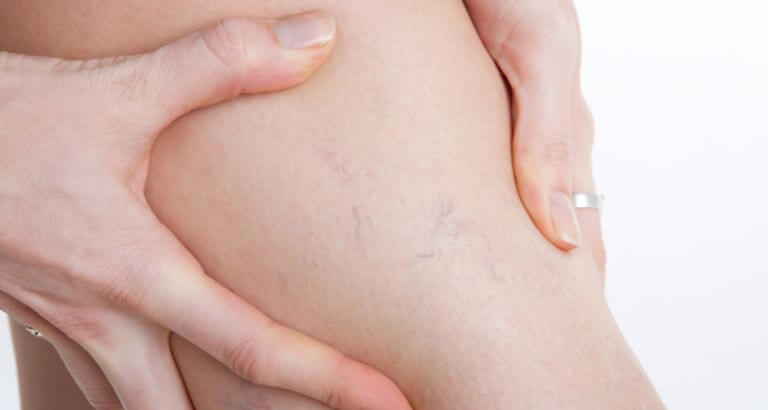
Most people start worrying about the thread veins on their legs in May. The weather warms up, the shorts come out, and suddenly those red and purple lines around the knees and thighs feel very visible.
The problem is that May is a bit late to start.
If you want clearer legs by next summer, the time to book is now. Here is why autumn and winter suit leg thread vein treatment so well, and what the process looks like from your first appointment to the final result.
Sclerotherapy Results Take Weeks, Not Days
Sclerotherapy is our main treatment for thread veins on the legs. Dr Thevendra injects a small amount of sclerosant solution into the vein through a very fine needle. The solution makes the vein lining swell and stick together, so the vein closes and your body gradually absorbs it.
That last part takes time. Straight after treatment, the area can look a little worse, with redness, small bruises or raised marks along the treated veins. Over the following weeks, the veins fade. Most people see a clear difference at around six to eight weeks, and final results often take about three months to settle.
Many people also need more than one session. Larger areas and stubborn veins rarely clear in a single appointment, so sessions are spaced several weeks apart to let the skin recover and to see how the veins have responded.
Put those together, and the timing makes sense. Start in October or November, and you have room for a course of treatment plus full healing before the weather turns. Start in June, and you could spend the summer covering up bruises, or waiting for results.
Sun and Freshly Treated Veins Don’t Mix
After sclerotherapy, some people develop brownish staining along the line of the treated vein. This is called hyperpigmentation. It happens when iron from the broken-down blood is left behind in the skin, and in most people it fades over a number of months. Occasionally it lasts longer.
UV exposure makes that staining darker and slower to fade. That’s why we ask patients to keep treated skin out of strong sun after treatment, and to use a high-factor SPF on any exposed areas.
In a British October, that’s easy. Your legs are under jeans, tights or trousers most of the day anyway. In July, with a holiday booked, it’s a lot harder.
Compression is Far More Comfortable in Cooler Weather
After leg sclerotherapy, compression stockings are commonly advised for a period to keep gentle pressure on the treated veins while they close. We’ll give you specific instructions on the day, as it depends on the veins treated.
Anyone who has worn compression stockings in a heatwave will understand why winter is the better choice. In cold weather, they’re comfortable, hidden under clothing, and much easier to wear as advised. That matters, because following your aftercare properly is part of getting a good result.
The rest of the aftercare is simple. Avoid hot baths, saunas and very strenuous exercise for a short time, and keep moving with regular walks. That’s far easier to fit around an autumn diary than around summer holidays and beach days.
Is Sclerotherapy Right For Your Veins?
Sclerotherapy works best for thread veins (also called spider veins) and the small blue-green reticular veins that often feed them. A proper assessment always comes first.
Larger, bulging varicose veins are a different issue. They can be linked to faulty valves in deeper veins and need a different assessment and treatment. Our guide to varicose veins vs spider veins explains how to tell them apart. If your legs ache, swell or itch, or you’ve noticed skin changes around the ankles, tell us, as those symptoms need looking into properly.
Sclerotherapy isn’t suitable during pregnancy or breastfeeding, or for anyone with a history of blood clots. Dr Thevendra will go through your medical history before recommending treatment.
For the finer red veins on the face, around the nose and cheeks, we usually use VeinWave instead. You can see how the two compare in our article on VeinWave vs sclerotherapy.
What Happens at Your Consultation
Your first appointment is a free consultation at our clinic on Middlemarch Business Park in Coventry. Dr Thevendra will look at your legs, ask about your health and any symptoms, and tell you honestly whether sclerotherapy is the right option. If it is, you’ll leave with a realistic idea of how many sessions you’re likely to need and what results to expect.
One thing we always make clear: treatment clears the veins you have now, but it doesn’t stop new ones forming. If you’re prone to thread veins through genetics, hormones or a job that keeps you on your feet, new ones can appear over time, and some people choose a top-up session in future. For more on why they appear, read what causes thread veins on the face and legs.
Book Before The New Year
If thread veins on your legs have been bothering you, autumn is the smart time to deal with them. You heal while your legs are covered up, and you’re ready well before summer.
Call us on 024 7669 3700 or email info@apsaras.co.uk to book your free consultation. You can also read more about VeinWave and sclerotherapy in Coventry, and our leg vein treatments.
Apsaras Aesthetic Clinic, Number Three, Siskin Drive, Middlemarch Business Park, Coventry CV3 4FJ.